In a nutshell
- 🧪 Explains why soap scum is so stubborn—an insoluble mix of fatty salts and hard-water minerals—and shows how plant-derived acids, chelators, and surfactants dismantle the matrix without harsh chemicals.
- 🌿 Breaks down the plant-based formula: citric/lactic acid for mineral release, sodium citrate/GLDA to bind ions, APG surfactants to lift residue, plus d‑limonene and optional enzymes for oils and organics.
- ⚖️ Pros vs. Cons: lower VOCs and kinder to ceramic, glass, and chrome, but avoid acid-sensitive natural stone and never mix with bleach; older deposits may need repeat passes.
- 🧼 Field-tested method: pre-steam, apply, prioritise dwell time (5–10 minutes), then wipe, rinse, and squeegee—delivering clear glass and bright chrome with minimal fumes in hard-water conditions.
- 🧠 Debunks “natural” hype: effectiveness hinges on evidence‑backed formulation, not folklore; recommends gloves, ventilation, and spot tests, especially around specialty finishes.
Britain’s bathrooms are battlegrounds where soap meets hard water, and the result is that grey, gritty film that resists every swipe of a sponge. The reflex is to reach for chlorine bleach or harsh limescale removers, yet the collateral damage—stinging lungs, dulled chrome, and etched stone—often outweighs the win. Enter a plant-based solution that tackles the chemistry of soap scum without the chemical hangover. Built on gentle acids, clever chelators, and biodegradable surfactants, it lifts residue and loosens mineral bonds while leaving taps and tiles intact. No need for bleach, no eye-watering fumes, and no compromise on results. Here’s how it works—and why going greener doesn’t mean scrubbing harder.
What Makes Soap Scum So Stubborn
Soap scum isn’t just “dirt”; it’s a micro-scale composite. When fatty-acid soaps meet hard water rich in calcium and magnesium, they form insoluble salts—often calcium stearate—that cling to ceramic glaze, glass, and chrome. Layer in body oils, talc, and shampoo polymers, and you’ve got a sticky matrix that physical scrubbing alone barely shifts. Traditional alkaline cleaners try to grease-cut their way through, but fail at the mineral part; strong acids dissolve minerals but can haze glass, etch stone, and corrode metal finishes. The trick is rethinking the chemistry: break the film’s cohesion, disrupt mineral bonds, and then suspend debris so you can rinse it all away. That’s where plant-derived surfactants, organic acids, and modern bio-based chelators work in concert. They don’t just sizzle for show—these ingredients bind ions, soften the residue, and allow water to carry it off. When you target the mineral-fatty hybrid at its weak points, you win with less force.
Inside the Plant-Based Formula
Look for a blend that pairs mild acidity with biodegradable detergency and smart ion control. The backbone is usually citric acid or lactic acid (to loosen mineral ties), paired with sodium citrate or bio-based GLDA chelator (to capture calcium and magnesium). Coconut- and sugar-derived alkyl polyglucoside (APG) surfactants then lift softened grime, while a dash of d‑limonene (from citrus peel) helps with body oils. Some formulas add low-dose enzymes to nibble at organic residues—useful on shower gel build-up. The aim is synergy: acids start the breakup, chelators keep ions busy, surfactants shuttle particles into rinse water.
| Ingredient | Plant-Based Source | Main Function on Soap Scum |
|---|---|---|
| Citric Acid | Citrus fruit sugars | Dissolves mineral bonds; reduces pH |
| Sodium Citrate / GLDA | Fermented corn/sugar | Chelates calcium and magnesium ions |
| APG Surfactant | Corn starch + coconut | Emulsifies and lifts loosened residue |
| d‑Limonene | Citrus peel | Solubilises oils in the film |
| Enzymes | Fermentation | Break down organic soils that bind scum |
The result is targeted chemistry without corrosive punch: a formula that’s kinder to lungs and finishes, yet unflinchingly effective on that grey ring around your bath.
Pros vs. Cons: Plant-Based Cleaners Compared to Harsh Chemicals
Pros first: These formulas are typically low in VOCs, free from chlorine and ammonia, and often carry credible eco-labels. They’re gentle on most plastics, grout, and chrome, and less likely to etch glass than strong mineral acids. Because the chelators do the heavy lifting on ions, they maintain performance in hard water—key for many UK postcodes. Fragrance profiles based on citrus or herbal oils tend to dissipate quickly and avoid the “pool changing room” tang.
Cons to consider: Acids—even mild ones—can still mark natural stone (marble, limestone, terrazzo). Do not use on acid-sensitive stone and never mix with bleach. Some essential oils can irritate sensitive skin, and bio-based formulations may cost slightly more per litre than supermarket bleach. On very thick, aged deposits, you’ll sometimes need a second application or a soft scraper, although repeat exposure is far safer than a single blast of hydrochloric acid.
- Safety: Better indoor air quality; fewer corrosive risks.
- Surface compatibility: Excellent for ceramic, glass, chrome; avoid natural stone.
- Cost: Slightly higher upfront; lower hidden costs in damage and ventilation.
- Performance: Comparable on fresh scum; multiple passes for older layers.
How To Use It: A Bathroom Field Test
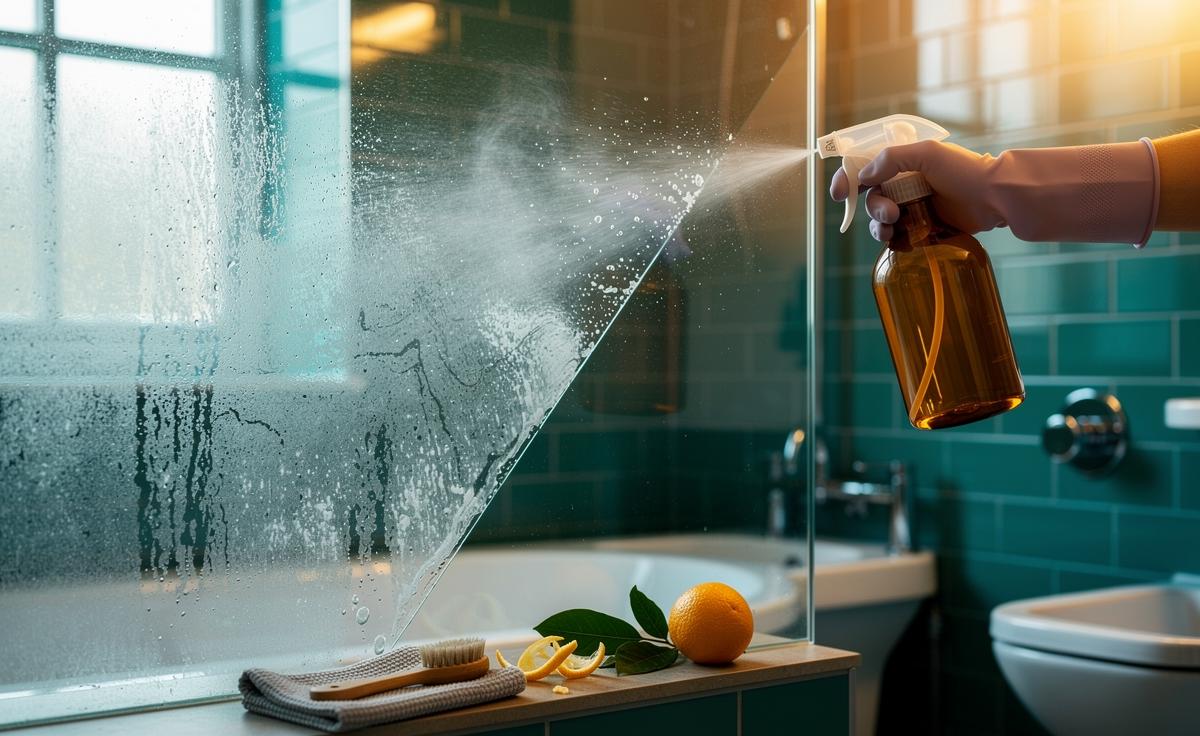
On a North London flat with very hard water (kettle furs in a week), I trialled a plant-based blend of citric acid, sodium citrate, APG surfactant, and a touch of d‑limonene. After a hot shower to steam surfaces, I misted the glass screen and taps until they were evenly wet and let it dwell for five minutes. Dwell time is the secret handshake of cleaning: it lets chelators bind ions and surfactants pry at the film. With a microfibre pad, the first pass lifted the haze; a second pass on the lower third (the hardest-hit area) erased remaining streaks. Rinsing with warm water and squeegeeing finished the job.
Timing mattered. At two minutes, the product worked, but needed more elbow grease. At five minutes, the scum slid off with light pressure. A stubborn ring on the bath spout responded to a 10-minute compress—paper towel soaked in solution—followed by a nylon brush. Crucially, there was no throat catch, and the chrome kept its mirror. For maintenance, a quick spray after every second shower prevented the return of that grey veil.
Why “Natural” Isn’t Always Better—But This Is Different
“Natural” can be a muddy marketing term. Vinegar, for instance, is plant-derived yet pungent, and it can corrode some finishes. Effectiveness hinges on formulation, not folklore. What sets this approach apart is evidence-backed chemistry: weak organic acids for mineral release, chelators to keep ions out of trouble, and non-ionic surfactants to whisk away the mess. That’s different from relying on perfume-heavy sprays or abrasives that scratch glass. For households with children, pets, or asthma, the lower reactivity and low-fume profile are serious wins, provided you still follow basic precautions—gloves, ventilation, and spot tests. If you’ve invested in stone or specialty coatings, consult the manufacturer; otherwise, for tiles, glass, acrylic, and chrome, this plant-first toolkit proves that green doesn’t mean gentle in the pejorative sense—it means targeted, modern, and dependable.
The upshot is simple: a well-formulated plant-based cleaner tackles the dual nature of soap scum—fatty residue plus mineral grip—without the collateral of harsh chemicals. No stinging eyes, no etched glass, no bleaching mishaps, just strategic chemistry that respects lungs, surfaces, and the planet. To keep control, pair it with small habits: squeegee after showers, ventilate well, and spray light, frequent applications. Ready to retire the caustic arsenal and try a smarter, gentler method—what part of your bathroom would you put to the test first, and how will you measure the difference?
Did you like it?4.4/5 (25)